


Orthognathic Surgery for Function and Balance
Corrective Jaw Surgery in Metro Detroit
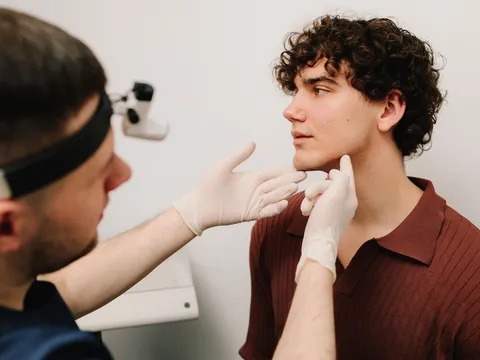
Restoring Alignment, Function, and Confidence
What Is Corrective Jaw Surgery?
Corrective jaw surgery — also known as orthognathic surgery — addresses misalignment of the jaw bones that cannot be corrected with braces alone. At Detroit Oral Surgery, Dr. Mouhamadou Seydi uses advanced 3D imaging and precise surgical planning to reposition the jaw for improved bite, breathing, speech, and facial symmetry. This procedure can be life-changing for patients who have struggled with chronic jaw problems, sleep-disordered breathing, or significant facial imbalance.
Why Consider Orthognathic Surgery?
Benefits of Corrective Jaw Surgery
Improved Bite
Corrects overbite, underbite, crossbite, and open bite for proper chewing and function.
Better Breathing
Can improve airway dimensions and reduce symptoms of obstructive sleep apnea.
Facial Balance
Restores symmetry and natural proportions to the face and profile.
Long-Term Stability
Provides a permanent structural correction that supports lifelong dental health.
What to Expect
The Corrective Jaw Surgery Process
Comprehensive Evaluation
Your surgeon performs a thorough clinical and imaging evaluation, including 3D CT scans, to assess jaw position, bite, and airway. Treatment is planned in coordination with your orthodontist.
Pre-Surgical Orthodontics
Braces or aligners are used to position the teeth so they will fit together correctly after the jaw is repositioned. This phase typically lasts several months.
Surgical Correction
The jaw is repositioned under general anesthesia using precise, pre-planned movements. Small plates and screws hold the bone in its new position. Most incisions are made inside the mouth, leaving no visible scars.
Recovery and Post-Surgical Orthodontics
After a recovery period with a modified diet and follow-up visits, your orthodontist completes final tooth alignment. The result is a stable, functional, and balanced bite.
Key Considerations
Pros and Cons of Jaw Surgery
Pro: Permanent Correction
Addresses the root structural cause of jaw misalignment for lasting results.
Pro: Functional Improvement
Improves chewing, breathing, speaking, and overall oral health.
Pro: Facial Aesthetics
Enhances facial balance, profile, and confidence.
Con: Recovery Period
Requires two to four weeks of modified diet and limited activity.
Con: Multi-Phase Treatment
Involves orthodontics before and after surgery, extending the overall timeline.
Con: General Anesthesia
Surgery is performed under general anesthesia in an accredited surgical setting.

Frequently Asked Questions
Corrective jaw surgery, also called orthognathic surgery, repositions the upper jaw, lower jaw, or both to correct structural problems that affect bite, breathing, speech, and facial balance.
Common signs include chronic jaw pain, difficulty chewing or biting, breathing issues, open bite, protruding jaw, or facial asymmetry. Your surgeon will evaluate your condition with imaging and clinical examination to determine if surgery is right for you.
In most cases, orthodontic treatment is coordinated before and after surgery to align the teeth within the newly positioned jaw. Your surgeon and orthodontist work as a team throughout the process.
Initial recovery typically takes two to four weeks, with most patients returning to work or school within that time. A modified diet is required during the early healing phase. Full bone healing takes several months.
Contact Detroit Oral Surgery at (313) 562-1515 to schedule a corrective jaw surgery consultation with Dr. Mouhamadou Seydi in Metro Detroit.
Schedule Your Consultation Today
Considering Jaw Surgery?
For expert corrective jaw surgery in Metro Detroit, contact Detroit Oral Surgery at (313) 562-1515 to schedule your consultation.
