

A Patient's Guide
Nitrous Oxide Sedation in Metro Detroit

What Is Nitrous Oxide?
Nitrous Oxide Sedation Explained
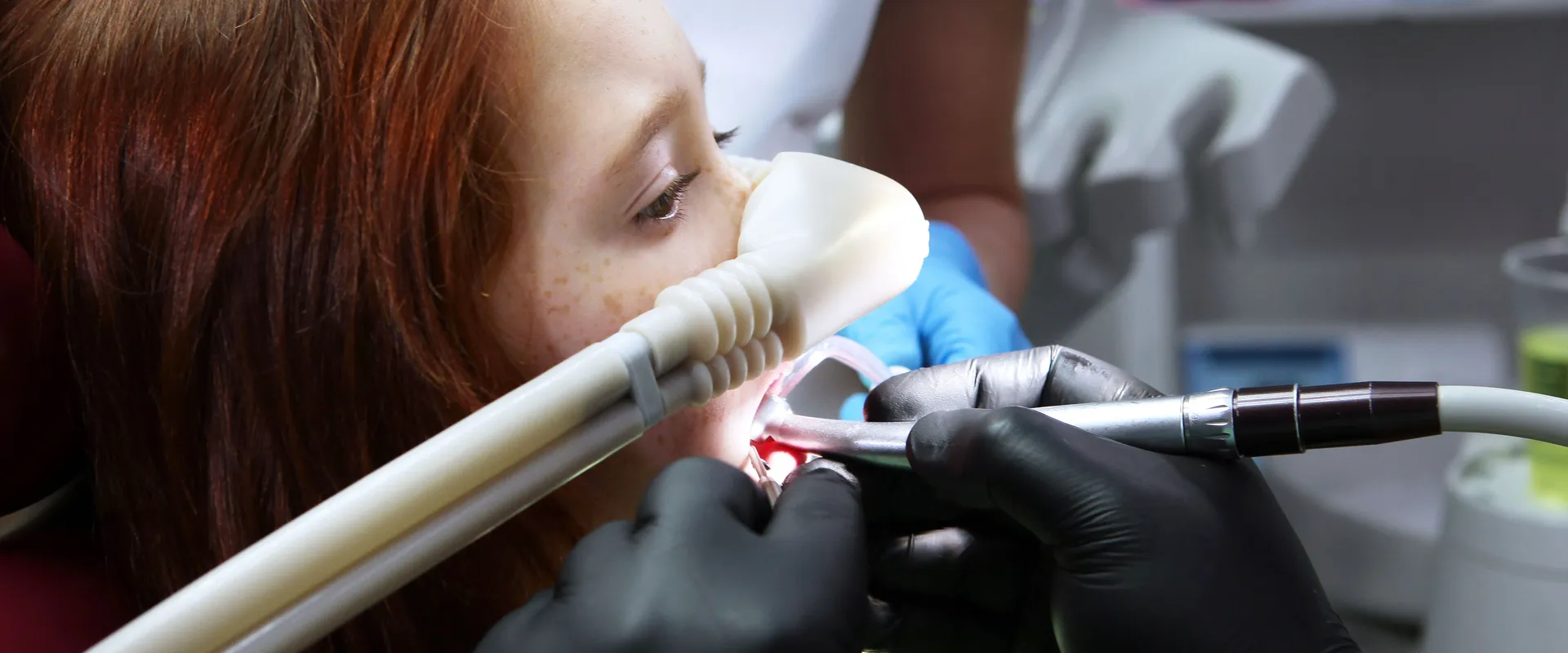
Nitrous oxide sedation near Detroit, offers a calm, controlled way to manage dental anxiety and discomfort. At Detroit Oral Surgery, this minimal sedation option—often called laughing gas—helps patients relax while staying alert and able to communicate. Nitrous oxide is a blend of nitrous oxide and oxygen breathed through a small mask that rests over the nose. The gas produces a relaxed, light, and sometimes warm sensation within minutes. You remain conscious, can respond to questions, and maintain your protective reflexes throughout the procedure. Because the depth of sedation is adjustable in real time, the level can be increased or decreased to match your comfort. When the gas is turned off, pure oxygen is delivered so the effects fade quickly. You remain awake and responsive, and recovery is typically rapid.
Key Advantages
How Nitrous Oxide Can Help You
Rapid Onset
Rapid onset brings relaxation within a few minutes.
Adjustable Dosing
Adjustable dosing allows tailored comfort throughout the visit.
Stay Conscious
Conscious sedation keeps you awake and able to communicate.
Quick Recovery
Quick recovery means most patients resume normal activities soon after.
Reduced Gag Reflex
Reduced gag reflex can make impressions and X-rays easier.
Wide Safety Margin
Wide safety margin when administered and monitored by trained professionals.
Step by Step
The Nitrous Oxide Sedation Process
Health Review
Your health history and medications are reviewed to confirm that nitrous oxide is appropriate.
Mask Placement and Onset
A small nasal hood is placed, and you breathe a mix of oxygen and nitrous oxide. Within minutes, you may feel light, calm, or pleasantly floaty, and tingling in the fingers or cheeks is common. Local anesthesia is usually given to numb the area being treated.
During the Procedure
Your breathing, comfort, and response are monitored, and the level of nitrous oxide is adjusted as needed throughout treatment.
Recovery
Once treatment ends, the nitrous oxide is turned off and oxygen is delivered for several minutes to clear the effects. Onset and recovery are rapid, and many patients can drive themselves home if no other sedatives or narcotic pain medicines are used.
Before, During, and After
What to Expect
Preparing for your visit is straightforward. Eat a light meal to reduce the small risk of nausea, and avoid heavy or greasy foods shortly before the appointment. Wear comfortable clothing, and share any recent changes in your health, including sinus congestion, which can make nose breathing difficult. During sedation, you will breathe through your nose and can signal the team at any time. Afterward, you may feel normal within minutes. Mild dizziness or nausea is uncommon and typically brief. Most patients return to school, work, or usual activities the same day. Those who received additional sedatives, had extensive surgery, or were given strong pain medication may need an escort home.

Frequently Asked Questions
Yes. Nitrous oxide has a long safety record in dentistry when administered with oxygen and proper monitoring. It is not recommended for certain patients, such as those in the first trimester of pregnancy or with specific respiratory conditions. Your health history guides safe use.
No. Nitrous oxide produces minimal to moderate conscious sedation. You remain awake, responsive, and able to follow instructions. Many patients describe feeling relaxed and less aware of time passing.
Nitrous oxide interacts with receptors in the nervous system to reduce anxiety and alter pain perception. The effect starts within minutes and wears off quickly once oxygen is given.
Adults and children with dental anxiety, a strong gag reflex, or sensitivity to dental stimuli often do well. It may not be suitable for people who cannot breathe through their nose, have severe COPD, or have certain vitamin B12 deficiencies. A review of your medical history determines candidacy.
Effects begin within minutes and usually fade within 5 to 10 minutes after the gas is stopped and oxygen is administered. Most patients feel ready to resume normal activities soon after.
A light meal beforehand is reasonable, while heavy meals may increase nausea risk. After the appointment, most people can eat normally unless the procedure itself requires special instructions. If you would like to discuss nitrous oxide sedation in Metro Detroit, contact Oral Surgery Group at (313) 562-1515 to schedule with Dr. Mouhamadou Seydi.
Schedule Your Consultation Today
Questions About Nitrous Oxide?
If you would like to discuss nitrous oxide sedation in Metro Detroit, contact Detroit Oral Surgery at (313) 562-1515 to schedule with Dr. Mouhamadou Seydi.
