

A Patient's Guide
Impacted Teeth in Metro Detroit
What Are Impacted Teeth?
Impacted Teeth Explained
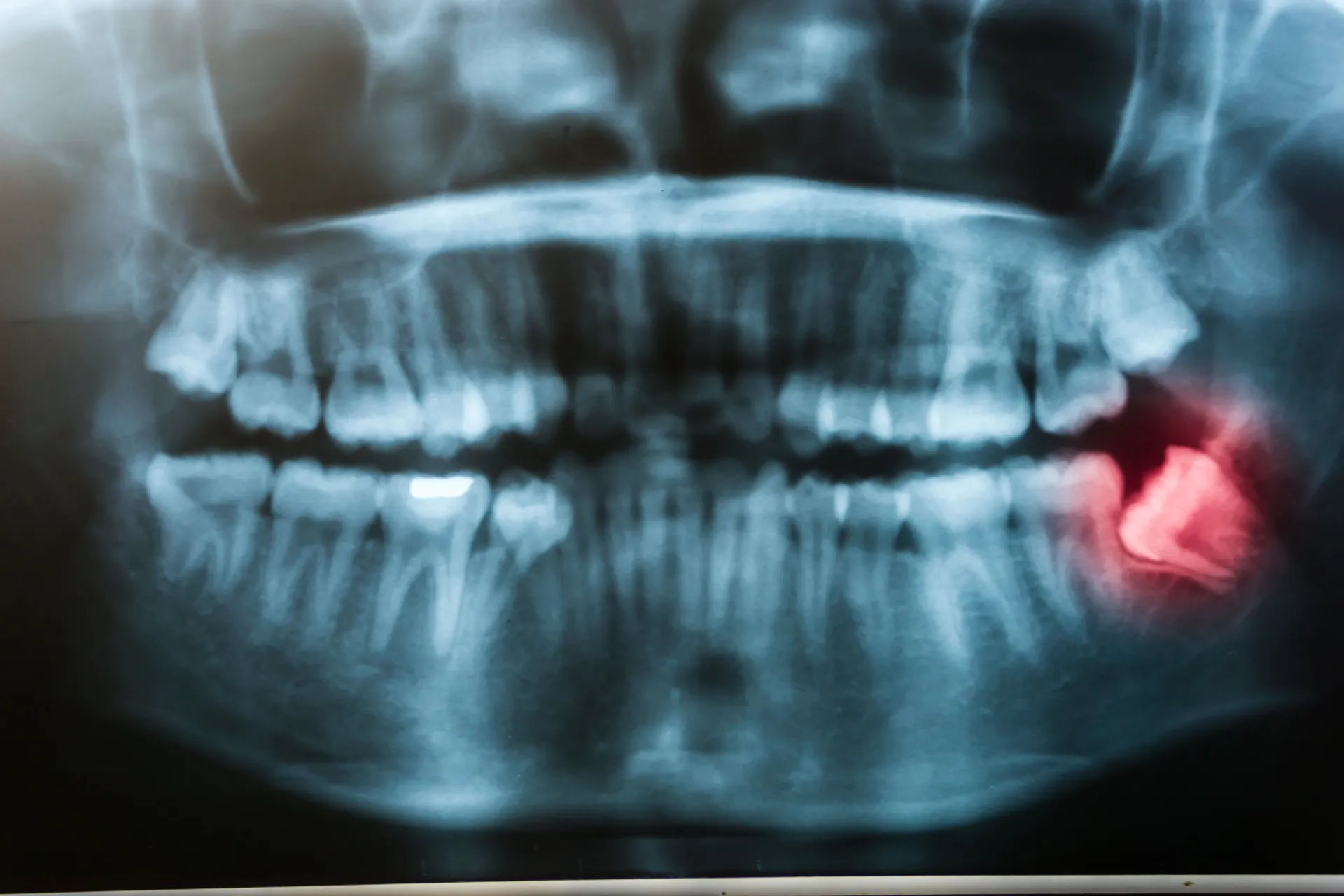
Patients seeking information about impacted teeth in Metro Detroit, can turn to Detroit Oral Surgery for a clear overview of causes, symptoms, and treatment options. An impacted tooth is a tooth that does not fully erupt into the mouth. It may be blocked by bone, gum tissue, or a neighboring tooth. Wisdom teeth are the most common teeth to become impacted, followed by upper canines. Tooth impaction can occur due to lack of space, tooth angulation, extra teeth, or dense bone and gum tissue. Partial impaction can trap food and bacteria under the gum flap, which increases the risk of swelling and infection.
Key Reasons
Why Consider Treatment?
Pain Relief
Relieves pain and decreases the chance of recurring gum infections.
Protects Adjacent Teeth
Protects adjacent teeth from decay, gum loss, or root resorption.
Prevents Cysts
Lowers the risk of cysts or, rarely, tumors forming around the tooth.
Orthodontic Space
Creates space for orthodontic alignment when planned with your orthodontist.
Gum Health
Improves long-term gum health by eliminating deep, hard-to-clean pockets.
Treatment Options
How Impacted Teeth Are Treated
Evaluation and Imaging
Evaluation begins with an exam and imaging, such as a panoramic X-ray or cone beam CT scan, to locate the tooth and nearby nerves and sinuses.
Treatment Planning
Treatment is tailored to the type and position of the impacted tooth, your symptoms, and your overall oral health. Options include monitoring, surgical extraction, exposure and bonding for canines, or coronectomy in select cases.
Surgical Procedure
Local anesthesia numbs the area for a comfortable procedure. IV sedation or oral sedation may be recommended for complex cases or dental anxiety. Nitrous oxide can offer additional relaxation when appropriate.
Recovery and Follow-Up
Most procedures take less than an hour per tooth. After surgery, mild bleeding and swelling are normal. Swelling often peaks at 48 to 72 hours and improves over the next few days.
Preparation and Recovery
What to Expect Before and After
Before surgery, you will receive instructions about eating, drinking, and medications. If IV sedation is planned, fasting is required and a responsible adult must accompany you. After surgery, discomfort is typically managed with a combination of ibuprofen and acetaminophen as advised. Cold compresses help reduce swelling during the first day. Bite on gauze for 30 to 60 minutes to control bleeding. Stick to soft foods like yogurt, eggs, and pasta for the first few days. Avoid straws, smoking, and vigorous rinsing to protect the healing site. Begin gentle saltwater rinses after 24 hours unless instructed otherwise. Call the office if you experience severe pain after initial improvement, persistent fever, or drainage.
Frequently Asked Questions
Lack of space, tooth angulation, extra teeth, and dense bone or gum tissue can block normal eruption. Wisdom teeth and upper canines are most often affected.
No. Some teeth can be monitored if they are symptom-free and low risk. Many wisdom teeth benefit from removal, while some canines can be exposed and guided into place.
Dentists use an exam and imaging such as panoramic X-rays or cone beam CT scans to locate the tooth and assess risks to nerves, sinuses, and nearby roots.
Most patients have two to three days of swelling and several days of soreness. Soft foods, pain control, and careful oral hygiene support smooth healing.
Often yes. Exposure and bonding combined with orthodontics can guide the canine into the arch. Success depends on position, root formation, and space availability.
Schedule a visit if you have pain, swelling, crowding, or delayed eruption. Early evaluation helps you understand risks and plan the most appropriate care. For questions about impacted teeth in Metro Detroit, or to request a consultation, contact Oral Surgery Group at (313) 562-1515 to schedule with Dr. Mouhamadou Seydi.
Schedule Your Evaluation Today
Concerned About an Impacted Tooth?
For questions about impacted teeth in Metro Detroit, contact Detroit Oral Surgery at (313) 562-1515 to schedule with Dr. Mouhamadou Seydi.
